Athletic tape, kinesiology tape, and blister-prevention strips have revolutionized the way athletes train, recover, and protect their bodies. Whether you are a marathon runner mitigating friction or a weightlifter supporting a vulnerable joint, adhesive gear is often a staple in your gym bag. However, for athletes with sensitive skin, these performance-saving strips can quickly turn into a dermatological nightmare. Contact dermatitis, painful chafing, and even epidermal tearing are common complaints when high-strength adhesives interact with delicate skin barriers.
Understanding the Adhesive Strain on Your Skin Barrier
The human skin barrier, or stratum corneum, is the outermost layer of defense against environmental irritants. When you apply any heavy-duty athletic adhesive, the tape binds tightly to this microscopic layer of skin cells.
While this strong bond is exactly what keeps the tape functional during a sweaty, high-intensity workout, it poses a unique threat to sensitive skin.
Every time a strong adhesive is applied and removed, it strips away a microscopic layer of cells. For standard skin types, this is a minor inconvenience. For sensitive skin types, this repetitive stripping thins the skin barrier, leaving the underlying tissue vulnerable to moisture, bacteria, and friction. Furthermore, sweat and biological oils can become trapped underneath the material during long workouts, creating a breeding ground for bacterial irritation and heat rashes.
Pre-Application Protocols for Maximum Protection
Preventing irritation begins long before the tape ever touches your body. Applying adhesive directly to unprepared, sensitive skin is a recipe for a painful removal process. The first step is thorough cleansing. Use a gentle, fragrance-free cleanser to remove surface sweat, dirt, and excess oils. Avoid harsh antibacterial soaps or alcohol-based wipes immediately before application, as these can dry out the stratum corneum and make it highly susceptible to micro-tears.
Once the skin is completely dry, consider applying a specialized pre-tape skin barrier film. These commercial barrier sprays or wipes create a microscopic, flexible layer between your skin cells and the adhesive. The film acts as a shield, preventing the glue from over-bonding to your tissue. When it comes time to choose your product, look specifically for medical-grade or hypoallergenic variations. Opting for a certified long term wear tape ensures that the adhesive formula is designed to breathe, allowing sweat to evaporate rather than pool against sensitive pores.
Proper Application Techniques to Minimize Tension
How you apply your supportive gear plays a massive role in how your skin reacts over time. One of the most common mistakes athletes make is applying too much tension to the ends of the tape. When kinesiology or athletic tape is over-stretched and anchored to the skin, it pulls constantly against the epidermis. This continuous mechanical tension causes a phenomenon known as tension blisters, which develop along the perimeter of the taped area.
To avoid this mechanical trauma, always apply the first and last two inches of the strip with absolutely zero stretch. Simply lay the anchors flat against your skin. Only apply the necessary tension to the middle section of the strip where muscle or joint support is actually required. Additionally, ensure there are no wrinkles or folds in the material. Wrinkles create localized areas of high friction and pressure, which can rapidly break down sensitive skin during repetitive athletic movements.
Managing Extended Wear and Mid-Workout Care
For multi-day events, ultramarathons, or extended training cycles, athletes often leave their supportive setups on for 24 to 48 hours. While high-quality long term wear tape is engineered to withstand this duration, sensitive skin requires vigilant monitoring during extended use. If you begin to feel a sharp burning sensation, persistent itching, or localized throbbing under the material, this is a clear sign of an adverse reaction. Do not push through the discomfort; remove the material immediately.
To keep the area healthy during extended wear, gently pat the taped zone dry with a clean towel after showering or swimming. Allowing wet fabric to sit against sensitive skin hydrates the stratum corneum excessively, making it soft, weak, and highly prone to tearing. If you notice minor redness around the edges, you can apply a tiny amount of a petroleum-based ointment around the perimeter to soothe the friction without compromising the adhesive integrity of the core strip.
Post-Tape Skin Recovery and Rehabilitation
Once the adhesive is safely removed, your skin requires immediate rehabilitation to restore its natural equilibrium. Wash the area with lukewarm water and a mild, non-stripping cleanser to remove any lingering adhesive residue. Avoid scrubbing the skin with washcloths or abrasive sponges, as the area will be temporarily sensitized.
Immediately follow up with a rich, fragrance-free moisturizer containing ceramides, fatty acids, or colloidal oatmeal. These specific ingredients mimic the natural lipids of your skin barrier, helping to seal in moisture and repair any microscopic damage caused by the adhesive. Give your skin a well-deserved break of at least 24 to 48 hours before applying another round of adhesive to the exact same spot, allowing the tissue time to fully regenerate.
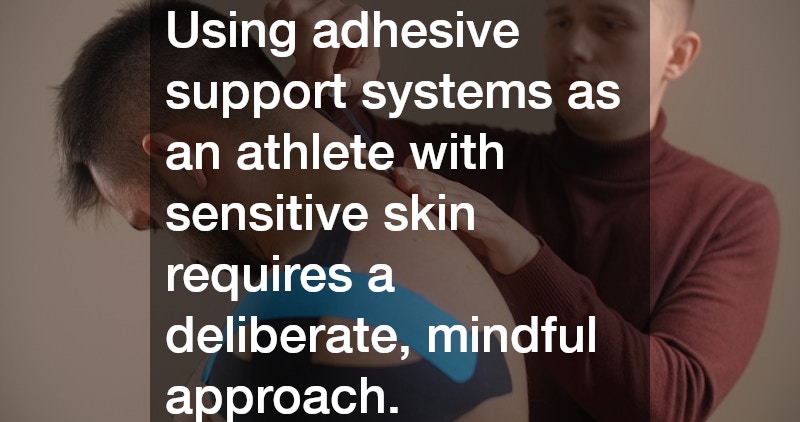
Using adhesive support systems as an athlete with sensitive skin requires a deliberate, mindful approach. You do not have to choose between joint stability and clear, pain-free skin. By implementing protective pre-application barriers, utilizing proper tension-free anchoring techniques, and prioritizing oil-based removal strategies, you can enjoy all the performance benefits of modern athletic gear. Treat your skin with the same care and respect that you treat your muscles and joints, and your body will reward you with peak performance on race day.